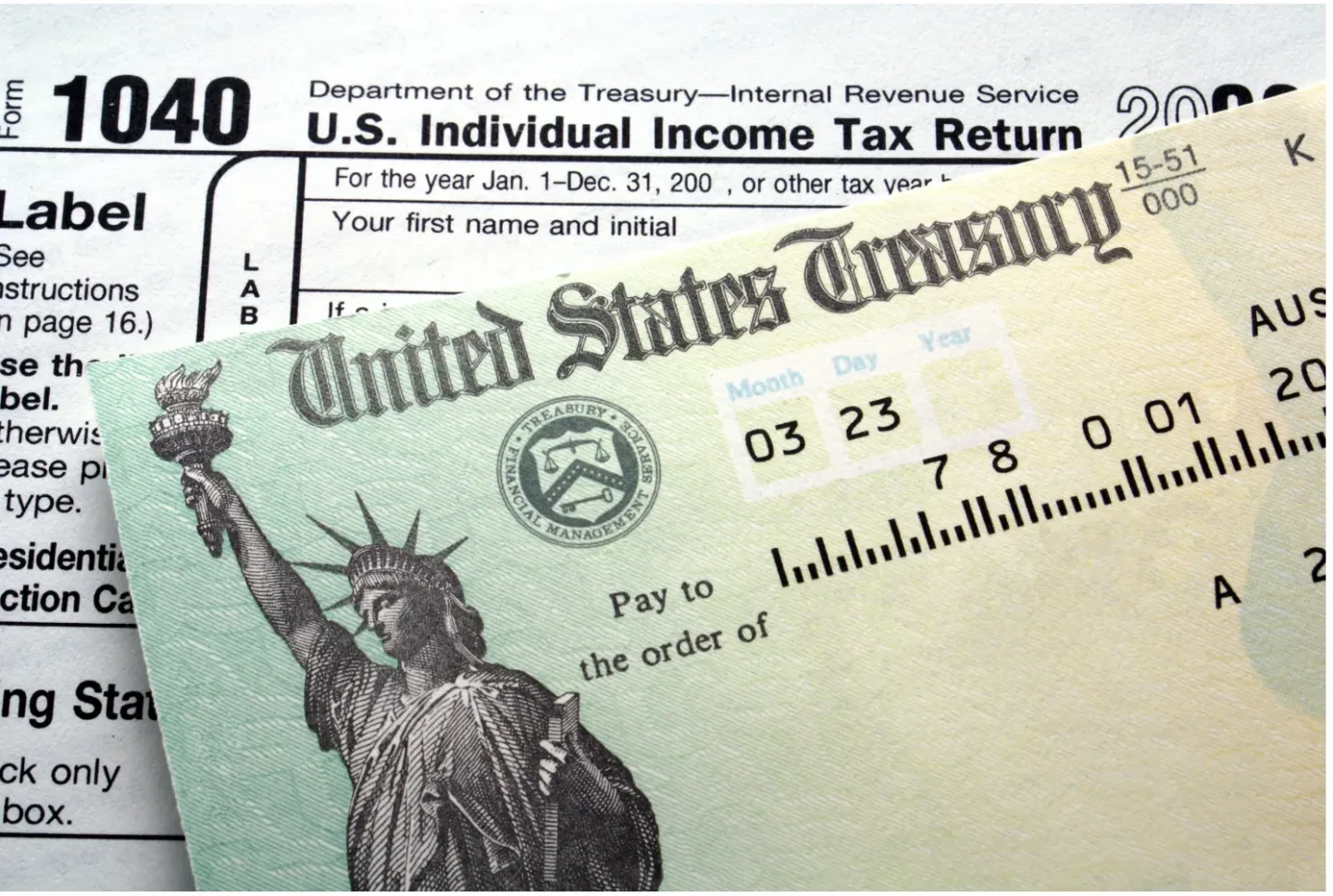
What to Do After Filing Taxes: Using Tax Season as a Planning Reset
May 1, 2026
Once your tax return is filed, the administrative work is done — but the strategic work is just beginning.
With a full year ahead, this is often the most productive time to step back and evaluate what your recent return reveals. Where did your income come from? What drove your overall liability? Were there concentrated gains, surtaxes, or phaseouts that meaningfully impacted the outcome?
Rather than waiting until the end of the year, this is the moment to shift from reporting last year’s results to shaping next year’s tax bill.
(For guidance on how long to retain your tax records and supporting documents, you can revisit our prior post here: How Long Should You Keep Tax Documents? A Practical Guide.)
What Should You Do After Filing Your Taxes? (Quick Answer)
Once your tax return is filed, the administrative work is done but the strategic planning is just beginning. Reviewing your return can help identify opportunities such as Roth conversions, tax-loss harvesting, charitable strategies, and equity compensation planning that may reduce future tax liability. This type of planning is often most valuable for high-income earners, business owners, and individuals with equity compensation or anticipated liquidity events. Coordinating with a financial advisor and CPA early in the year often creates more flexibility than waiting until year-end.
Tax Preparation vs. Tax Planning: What’s the Difference?
Tax preparation looks at what has already happened. It consists of gathering income, deductions, and credits to accurately file the prior year’s return.
Tax planning looks at what you can do going forward. It consists of evaluating how investment decisions, liquidity events, charitable giving, retirement savings, and distribution strategies may affect future tax exposure.
At Freestone, we don’t prepare or file tax returns. Instead, we work alongside our clients’ CPAs throughout the year to identify planning opportunities designed to plan around tax exposure and improve after-tax outcomes.
By incorporating a tax perspective into an investment strategy, financial planning, and personal goals, we aim to identify and address tax implications and surface opportunities before they pass.
Why Tax Planning Early in the Year Matters
Your completed tax return provides clarity around:
- Total taxable income
- Sources of income (wages, business income, dividends, capital gains)
- Realized investment gains
- Exposure to Net Investment Income Tax or Medicare surtaxes
- State-level tax implications
- Loss Carryovers (Passive, Capital, Operating)
Those insights allow for more informed planning decisions.
For example, tax-efficient investing has become increasingly important for Washington residents. Washington State imposes a 7% capital gains tax on gains exceeding $278,000 for 2025 adjusted annually for inflation. Under legislation passed in 2025, gains exceeding $1 million are subject to a higher rate of 9.9%, and certain exclusions apply. For investors with concentrated stock positions, private business interests, or meaningful portfolio rebalancing needs, this adds another layer of complexity on top of federal capital gains and potential surtaxes.
Thoughtful coordination can help evaluate timing, diversification strategies, charitable techniques, and portfolio positioning that may influence both federal and state tax exposure.
Common Year-Round Tax Planning Strategies
After reviewing your return, many high-income households find that several planning strategies can meaningfully influence next year’s tax outcome. While every situation is unique, coordinated tax-aware planning often focuses on areas such as:
Tax-Efficient Investing & Tax-Loss Harvesting
Evaluating when to realize gains, how to offset them through tax-loss harvesting, and how federal and state taxes may affect after-tax outcomes.
Equity Compensation Planning
Strategic planning around RSUs, ISOs, and NSOs to help track vesting schedules, exercise timing, and potential tax impact.
Backdoor Roth IRAs & Roth Conversions
Assessing when after-tax contributions, backdoor Roth strategies, or partial Roth conversions may make sense based on projected income and long-term tax considerations.
Evaluating Pre-Tax vs. After-Tax Savings
Determining whether traditional or Roth contributions — across 401(k)s, IRAs, and other vehicles — align best with projected tax brackets.
Municipal Bonds
For certain investors, municipal bonds may offer tax-advantaged income, particularly when factoring in federal and state tax exposure.
Charitable Planning (DAFs and QCDs)
Using donor-advised funds (DAFs), qualified charitable distributions (QCDs), or gifting appreciated securities to align philanthropic goals with tax efficiency.
HSAs
Maximizing Health Savings Accounts as a tax-advantaged savings vehicle with potential long-term planning benefits.
Distribution Planning
Designing retirement withdrawal strategies intended to improve after-tax income over time and manage bracket exposure.
Liquidity Events & Concentrated Positions
Planning ahead for business sales, stock option exercises, or large investment sales to help manage timing and overall tax impact.
Frequently Asked Questions About Tax Planning After Filing
Is tax planning only done at year-end?
No. Many of the most effective tax strategies — such as Roth conversions, charitable giving, and equity compensation decisions — benefit from planning early in the year rather than waiting until December.
What is the difference between tax preparation and tax planning?
Tax preparation focuses on accurately filing last year’s return, while tax planning looks forward to identify strategies that may reduce future tax liability.
Who should consider year-round tax planning?
Year-round tax planning is often most valuable for high-income earners, business owners, individuals with equity compensation, and those anticipating liquidity events such as business sales or IPOs.
Can a financial advisor help with tax planning if they don’t prepare returns?
Yes. Many advisors collaborate with clients’ CPAs to evaluate investment, retirement, and liquidity decisions through a tax-aware lens throughout the year.
A Coordinated Approach
Freestone does not prepare tax returns or generate tax filings. Instead, we collaborate with our clients’ CPAs to ensure that financial decisions are evaluated through both investment and tax lenses throughout the year.
The goal of tax planning is to reduce tax liability and improve after-tax income. The objective is not simply minimizing a single year’s tax bill but improving long-term outcomes by being intentional and proactive.
If you’d like to evaluate potential tax planning opportunities for the year ahead, Freestone collaborates with clients and their CPAs to align investment, retirement, and liquidity decisions with tax-aware strategies.
To learn more about Freestone, please visit:
https://www.freestonecapital.com/contact/
Important Disclosures: This article is not intended to provide, and you should not rely upon it for accounting, legal, tax or investment advice or recommendations. We are not making any specific recommendations regarding any financial planning, investment or tax strategy, and you should not make any financial planning, investment or tax decisions based on the information in this article. This article is intended to be educational in nature and to discuss a few limited aspects of very complex legislation or other complex subject matters. This article is not a comprehensive or complete summary of considerations regarding its subject matter. We recognize that every individual has different needs and the opinions expressed in this article may not be appropriate for everyone. Please consult with a Freestone client advisor, accountant, or lawyer regarding options specific to your needs. Please note that Freestone does not approve or endorse any third-party content hyperlinked to in this article.